A loud exhaust noise, like a roaring sound from underneath

When the usual quiet ticking of the engine turns into a loud roar from under the car, it's not just annoying to those around you, but it's also a sign that the exhaust system has lost its seal. You shouldn't ignore this symptom, as toxic gases can get into the car.

Likely causes — most common first

1

Damage to the exhaust system's flex pipe

The flex pipe is a flexible metal element that reduces engine vibrations. Due to constant stress and corrosion, it can tear, and gases start escaping before they reach the silencer, creating a loud noise.

How to check:Take a look under the bonnet or underneath the car when it's cold: if you see black soot marks or tears in the metal mesh, you've found the cause. Ask a mechanic to inspect this part on a lift.
2

A hole in the silencer or resonator

The metal in the exhaust system thins out over time due to moisture, road salt, and high temperatures. Holes form in the silencer or resonator, which is an extra sound-muffling chamber, and this is what causes the loud humming noise.

How to check:Visually inspect the exhaust system's chambers for rust and holes. In a workshop, the parts are checked for corrosion with a simple probe or a special tool.
3

Leaks in the connections and worn-out clamps

The exhaust system's pipes are connected with clamps and gaskets. Over time, these connections loosen or wear out, creating gaps that allow the exhaust to hiss or roar.

How to check:Check for soot on the pipe joints underneath the car. During an inspection on a lift, a mechanic can spot signs of gas escaping from under the clamps.
4

A broken or worn-out exhaust mount

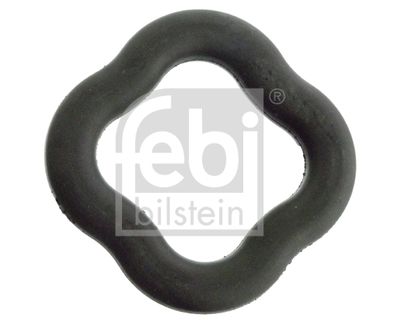
The rubber mounts hold the exhaust system to the car body. When these mounts break or stretch, the pipes sag, hit the body, and can put strain on other connections in the system.

How to check:Take a look under the rear of the car: the silencer shouldn't be hanging too low or touching the bumper. In a workshop, the condition of the mounts is checked by simply rocking the exhaust pipe by hand.

Parts most often replaced for this symptom

Frequently asked questions

Can you drive with a damaged silencer?
You can drive a short distance to a service centre, but don't delay. The main danger is the risk of inhaling exhaust fumes in the car, which can cause drowsiness and dizziness while driving.
How much does it cost to repair a damaged exhaust?
The cost depends on the type of damage and the car's make. Replacing a rubber mount or tightening a clamp is relatively cheap, while replacing the flex pipe or doing a full weld requires more expensive labour and materials.
Can this increase fuel consumption?
Yes, especially if the damage is near the engine, such as a torn flex pipe. The oxygen sensors start sending incorrect data to the engine control unit, which makes the engine burn more fuel.
Can you weld the silencer yourself?
You can temporarily patch a small hole with heat-resistant paste or tape on the road. However, welding or replacing worn-out parts is best left to professionals at a service centre.

This material is for reference only and does not replace a hands-on inspection. The final verdict on the fault and on whether the car is safe to drive is made by a mechanic after diagnosing the vehicle.