Grinding when changing gears

A grinding or screeching sound when changing gears is a worrying sign that indicates problems with the transmission or clutch system. Ignoring this sound will quickly lead to serious damage, causing the gearbox to stop working altogether.

Likely causes — most common first

1

Worn-out clutch components

When the clutch disc or kit is completely worn out, the clutch does not disengage fully. This causes the gears in the gearbox to continue rotating and engage with a characteristic grinding sound.

How to check:Press the clutch pedal all the way down and try to engage reverse gear. If you hear a grinding sound, the clutch needs immediate attention from a mechanic.
2

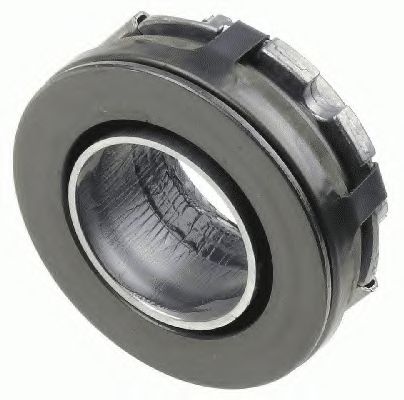
Faulty release bearing

A worn-out release bearing does not provide the necessary movement for the engine and gearbox to fully disengage when the clutch pedal is pressed.

How to check:Pay attention to any whining, grinding, or screeching sounds when pressing the clutch pedal and check if the pedal's travel changes.
3

Worn-out gearbox synchronizers

Synchronizers align the rotation speed of the shafts in the gearbox for smooth gear engagement. If they are worn out, the gears collide directly, creating a grinding sound.

How to check:Check if the grinding occurs with a specific gear (e.g., only second gear) or all gears. Ask a mechanic to check the condition of the gearbox's internal components.
4

Clutch hydraulic system problems

Air in the system, brake fluid leakage from the clutch master or slave cylinder causes the pedal to lose pressure, and the clutch does not disengage fully.

How to check:Look under the hood and check the fluid level in the clutch reservoir (often shared with the brake system) and inspect the pedal for any signs of leakage.
5

Low or worn-out transmission fluid

Old or insufficient transmission fluid causes increased friction and wear on the gearbox components, making gear shifting more difficult.
How to check:Check for any signs of oil leakage under the car and visit a service station to check the transmission fluid level and condition.

Parts most often replaced for this symptom

Frequently asked questions

Can I drive with a grinding sound when changing gears?
Prolonged driving will lead to complete gearbox or clutch failure. It is better to limit your trips and visit a diagnostic center as soon as possible.
How much does it cost to repair the gearbox or clutch?
The cost depends on the extent of the damage: sometimes it is enough to bleed the clutch hydraulic system or replace the fluid, while other times it requires replacing the entire clutch kit or disassembling the gearbox.
Can the grinding sound disappear on its own?
No, mechanical damage and wear on components (synchronizers or clutch) will only progress over time. The symptom will become more noticeable.
What should I do if the gears stop engaging altogether?
In this case, it is strictly forbidden to continue driving - turn off the engine, engage neutral gear, and call a tow truck to take your car to a service station.

This material is for reference only and does not replace a hands-on inspection. The final verdict on the fault and on whether the car is safe to drive is made by a mechanic after diagnosing the vehicle.