Clutch Pedal Creaks or Has Become Heavy

When the clutch pedal starts to creak unpleasantly or requires significant effort to press, it creates discomfort during every drive in traffic. Ignoring this symptom usually leads to a sudden system failure, when you simply won't be able to shift gears.

Likely causes — most common first

1

Wear or Lack of Lubricant in the Cable or Pedal Mechanism

In many cars, the pedal is connected to the gearbox by a metal cable or has joints that dry out and get dirty over time, causing creaking and stiffness.

How to check:Press the pedal by hand, trying to determine if the sound comes from the pedal axis itself. You can try spraying silicone lubricant or WD-40 on the moving connections.
2

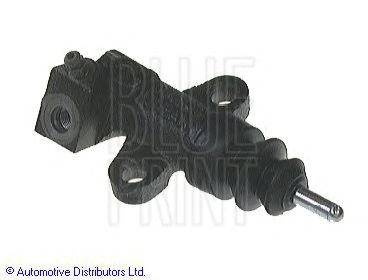
Failure of the Clutch Master Cylinder

This unit pushes the clutch fork using hydraulics. Inside it, the seals (rubber gaskets) wear out, the rod starts to jam, causing the pedal to become stiff or lose pressure.

How to check:Look under the hood in the gearbox area and look for signs of brake fluid leakage on the cylinder body or engine protection.
3

Wear of the Clutch Master Cylinder

The master cylinder is located right behind the pedal in the cabin or under the hood and creates the initial pressure. Internal jamming of the piston due to wear creates the effect of a stiff pedal.

How to check:Check the floor under the pedal for fluid leaks and pay attention to the level of brake fluid in the expansion tank (often it is common with the brakes).
4

Problems with the Release Bearing and Fork

The bearing that presses on the clutch basket tabs deteriorates or becomes skewed on the guide tube over time. This causes the fork to rub against metal parts, creating creaking and stiffness when pressing.

How to check:Listen: if the creaking is accompanied by extraneous rustling or humming when the pedal is pressed with the engine running, the problem is inside the clutch housing.
5

Wear of the Clutch Basket or Its Tabs

The clutch mechanism itself wears out over the years, the spring tabs of the basket lose their elasticity and deform. This requires much more effort from the foot to disconnect the discs.
How to check:Ask a mechanic on a lift to check the travel and effort on the clutch fork when pressing from inside the cabin.

Parts most often replaced for this symptom

Frequently asked questions

Can I drive if the clutch pedal creaks?
You can drive for a short time if the gears engage clearly. However, creaking means friction without lubrication or wear of parts, so it's not worth delaying diagnosis.
Can a stiff clutch pedal break completely?
Yes, due to increased effort, the cylinder rod may break, the cable may break, or the clutch fork may bend, after which the car will become immobile.
How much does it cost to repair a stiff clutch?
The price depends on the reason: lubricating the pedal costs a minimum, while replacing the master or slave cylinder requires purchasing new parts and bleeding the system. If the problem is with the release bearing or basket, you will have to remove the gearbox, which is significantly more expensive in terms of labor.
Can the problem go away on its own if I lubricate the spring in the cabin?
If the pedal axis itself creaks inside the cabin, lubrication will help. But if the stiffness and creaking come from the hydraulics or internal mechanisms of the gearbox, lubrication will not solve the technical malfunction.

This material is for reference only and does not replace a hands-on inspection. The final verdict on the fault and on whether the car is safe to drive is made by a mechanic after diagnosing the vehicle.