Handbrake not holding the car

When the parking brake does not hold the car on a slope, it creates a serious safety hazard during parking. Most often, the problem lies in the control elements or the brake mechanism itself, which over time wears out or loses mobility.

Likely causes — most common first

1

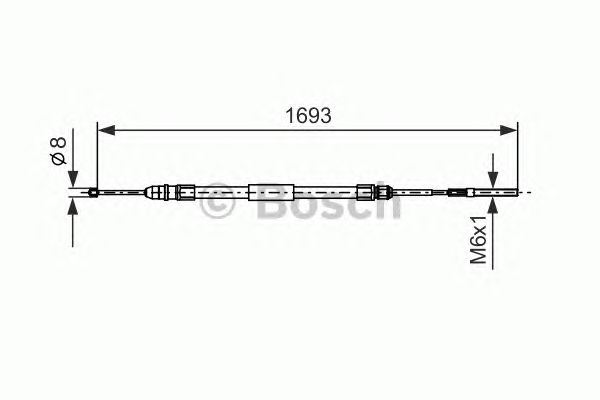
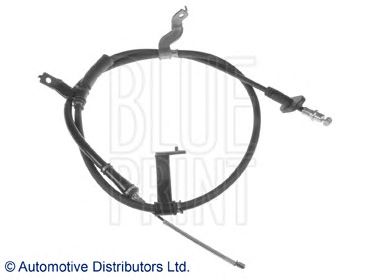
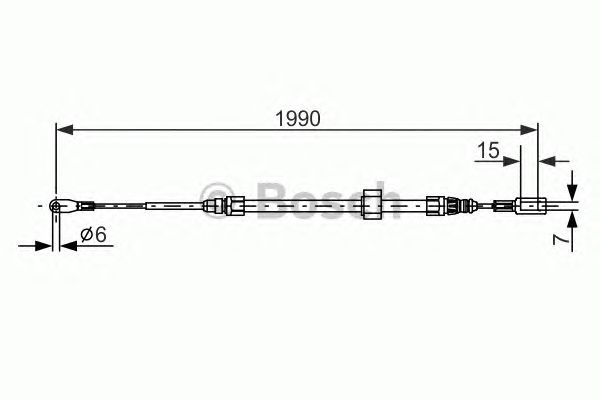
Stretching or jamming of the handbrake cable

Over time, the metal cables connecting the lever in the cabin to the brakes stretch or moisture and dirt get inside. As a result, they lose the ability to transmit force to the wheels or jam in the protective sheath.

How to check:Pay attention to the movement of the lever or pedal: if it has become too loose and long or rises to the very top without effort, the cable needs to be adjusted or replaced.
2

Wear of rear brake pads

The parking brake most often engages the rear wheels. When the friction layer (working surface) of the pads is worn down to a minimum thickness, the mechanism simply does not have enough travel for a reliable grip on the disc or drum.

How to check:Ask the master on the lift to assess the remaining thickness of the rear pads and check the condition of the brake discs or drums.
3

Breakage of the pad spreading mechanism

Inside the brake mechanism, there are special parts (for example, a lever in the caliper or an adjusting wedge in the drums) that are responsible for moving the pads as they wear out. They can rust due to corrosion.

How to check:During the inspection at the service station, the specialist checks if the handbrake lever moves freely on the brake caliper or drum mechanism.
4

Loosening of the adjusting nut in the cabin

Under the lever mechanism or at the base of the handbrake in the cabin, there is a tensioning nut of the cable, which can self-loosen from constant loads.
How to check:Often, to check and tighten, it is enough to remove the protective plastic cover near the handbrake lever in the car cabin.

Parts most often replaced for this symptom

Frequently asked questions

Is it possible to drive with a faulty handbrake?
You can drive a car, but it is not recommended to park on sloping surfaces due to the risk of the car moving on its own. Always leave the car in gear or in Parking mode (for automatics).
How much does handbrake repair cost?
The price depends on the cause of the malfunction: a simple cable adjustment is inexpensive, while replacing cables, worn-out pads, or jammed calipers requires significant costs for parts and labor.
Can the handbrake freeze in winter?
Yes, in frosty weather, moisture that gets inside the cable sheath or on the pads can freeze. As a result, the handbrake either does not hold or, on the contrary, does not release the wheel after being released.
Is it possible to tighten the handbrake yourself near the house?
In some car models, access to the adjusting nut is available from the cabin under the armrest, however, for full safety, it is better to do this on a lift to check the wheel rotation and avoid over-tightening.

This material is for reference only and does not replace a hands-on inspection. The final verdict on the fault and on whether the car is safe to drive is made by a mechanic after diagnosing the vehicle.