Squeak or Squeal When Braking

A squeak or squeal when braking is one of the most common signals from your car, usually indicating problems with the brake pads. You cannot ignore this sound, as the safety of your brakes directly affects your safety on the road.

Likely causes — most common first

1

Worn-out Brake Pads

The sound most often occurs due to the activation of a special metal indicator (squealer) or the complete wear of the working layer of the pad down to the metal. This leads to a decrease in braking efficiency and the risk of damaging the brake discs.

How to check:Look through the spokes of the wheel disc at the brake mechanism - the thickness of the friction lining of the pad should be at least a few millimeters.
2

Worn or Deformed Brake Discs

Deep grooves or uneven wear on the metal disc's surface create constant friction with new or old pads, accompanied by an unpleasant whine.

How to check:Run your finger (on a cooled disc!) along its working surface: there should be no noticeable steps or deep grooves.
3

Dirt, Dust, or Small Stones

A small stone, sand, or road reagent may have gotten between the brake pad and disc, creating a sharp screech when you press the pedal.

How to check:Try braking dynamically but safely several times on a free stretch of road to blow out small debris, or thoroughly wash the wheels with a pressurized water jet.
4

Rust on the Caliper Guides

If the movable parts of the brake mechanism (caliper) have rusted due to dirt or corrosion, the pad does not fully retract and constantly rubs against the disc even without pressing the pedal.

How to check:After driving, carefully check if one of the wheels is hotter compared to the others, or consult a mechanic to check the caliper's mobility.
5

Low-quality Pad Material

Cheaper or overly rigid pads may contain a large amount of metal shavings in their composition, causing them to constantly squeak when rubbing against the disc.

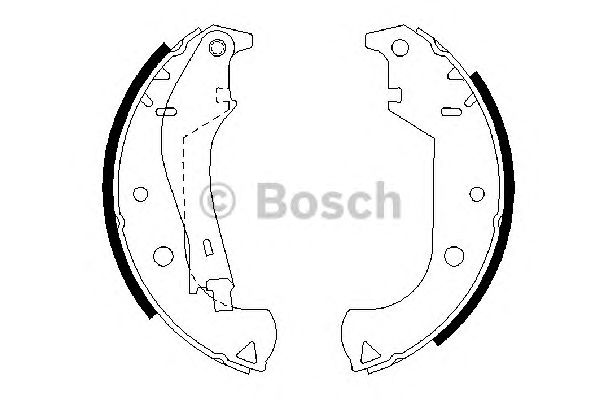
How to check:Recall if you recently changed your brake pads. If the sound appeared immediately after installing a cheap set, it's likely due to the material's specifics.

Parts most often replaced for this symptom

Frequently asked questions

Can I drive my car if the brakes squeak?
A short trip to the nearest service is possible, but only if the brake pedal does not sink and the car stops normally. If a metallic screech appears - it's extremely dangerous to drive, better call a tow truck.
How much does it cost to fix the brake squeak?
The cost depends exclusively on the found reason: it can be just cleaning and lubricating the mechanisms, or replacing the pads or brake discs with new ones.
Can the squeak go away on its own?
If the sound was caused by a random stone or moisture after washing, it can indeed disappear on its own. However, if the pads squeak due to wear - over time, the sound will only intensify.
Why do new pads squeak in the first few days?
New brake pads and discs require time for so-called running-in (usually several hundred kilometers of mileage), until their surfaces fully adapt to each other.

This material is for reference only and does not replace a hands-on inspection. The final verdict on the fault and on whether the car is safe to drive is made by a mechanic after diagnosing the vehicle.