Engine takes a long time to warm up, cold heater

When the temperature gauge doesn't rise to the working zone and cold air blows in the cabin, driving becomes uncomfortable. Most often, the problem lies in the engine cooling system, which can't reach the required temperature.

Likely causes — most common first

1

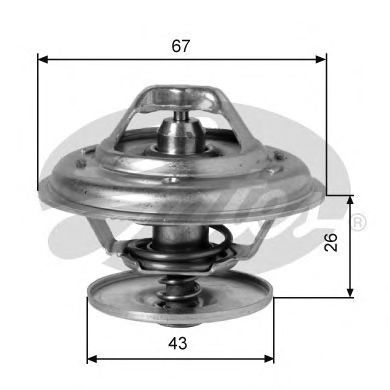
Thermostat stuck in the open position

This valve lets coolant flow through the small or large circuit. If it's stuck open, the coolant goes straight through the radiator and the engine can't warm up.

How to check:After starting a cold engine, feel the lower radiator hose: it should be cold until the engine warms up. If it's warm immediately, the thermostat is faulty.
2

Low coolant level

When there's too little coolant, circulation is disrupted, and hot liquid can't reach the heater core, making the heater blow cold air.

How to check:Check the coolant level in the expansion tank when the engine is cold. If it's below the minimum mark, look for signs of leaks.
3

Airlock in the cooling system

Air bubbles block the normal flow of coolant, causing uneven heat distribution and a cold heater even when the engine is warm.

How to check:Notice if the air temperature from the heater changes when you increase engine speed. Air usually requires special bleeding at a service station.
4

Clogged heater core

Over time, dirt, scale, or remnants of sealant from previous repairs accumulate inside the small heater core. This prevents the hot coolant from transferring heat to the cabin air.

How to check:On a warm engine, carefully touch the inlet and outlet hoses of the heater core. If both are hot but the cabin is still cold, the core is clogged.
5

Faulty auxiliary pump or sensors

Many modern cars have an additional electric pump that helps circulate coolant through the heater at idle. If it's not working, cold air blows from the vents at traffic lights.

How to check:Check if warmer air appears when you increase engine speed (by pressing the gas pedal) while stationary.

Parts most often replaced for this symptom

Frequently asked questions

Is it possible to drive with a cold engine and a heater that doesn't work?
Short trips are possible but not recommended, as an underheated engine runs on a richer fuel mixture, leading to rapid wear and carbon buildup on spark plugs.
How much does it cost to repair this issue?
The price depends on the cause: replacing the thermostat or topping up coolant has different costs than flushing the heater core or replacing it, which may require removing the dashboard.
Can this problem resolve itself?
No, cooling system issues or clogs don't disappear on their own. The situation usually worsens with time.
What to do if the heater suddenly stops working while driving?
Stop and check the coolant level, but be very careful not to get burned by hot steam. If the coolant is low, top it up or add water at least for a temporary fix to reach a service station.

This material is for reference only and does not replace a hands-on inspection. The final verdict on the fault and on whether the car is safe to drive is made by a mechanic after diagnosing the vehicle.