Engine Misfires and Shakes at Idle

When the engine starts to run unevenly and shake at idle, drivers say it's 'misfiring'. This is a common symptom that indicates one or more cylinders are not doing their job properly. Ignoring this engine behaviour is not an option, as it leads to more serious damage and increased fuel consumption.

Likely causes — most common first

1

Spark Plug Issues

Spark plugs wear out, get covered in carbon deposits, or have too large a gap between the electrodes, making the spark weak or non-existent. As a result, the fuel in the cylinder does not ignite on time, and the engine starts to shake.

How to check:It's worth asking a mechanic to remove the spark plugs and check their condition and spark.
2

Ignition Coil Fault

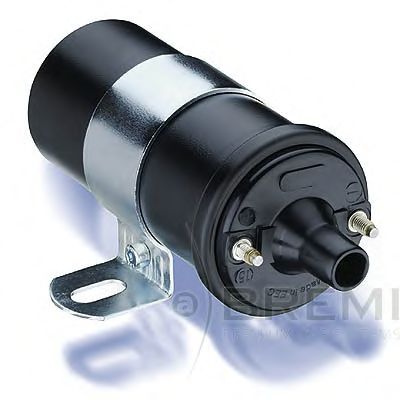
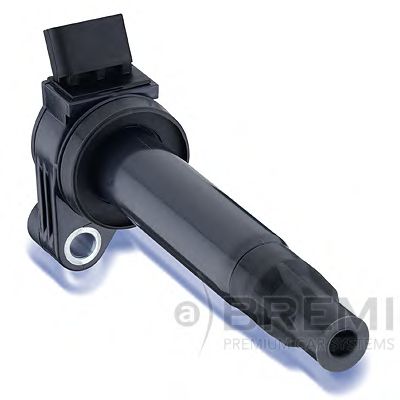
The ignition coil is responsible for supplying high voltage to the spark plugs. If it's faulty or has lost its properties, the spark will disappear completely or partially, immediately causing engine misfires.

How to check:At the service station, they can check the coil with a multimeter or swap it with a neighbouring cylinder to see if the fault moves.
3

Unintended Air Intake

When uncontrolled air enters the intake system through damaged hoses or worn-out gaskets, the fuel mixture becomes too lean. The computer can't correct this in time, and the engine starts to run unevenly.

How to check:Check the integrity of all rubber hoses under the bonnet for cracks and loose pipes.
4

Fuel Injector Clogging

Fuel injectors (fuel sprayers) get clogged with resinous deposits from petrol over time. This means fuel is supplied in droplets, not as a mist, which burns poorly in the cylinder.

How to check:Ask the service to perform a computer diagnosis of each cylinder's power balance.
5

Low Compression in the Cylinder

Compression is the pressure created by the piston in the cylinder. If the piston rings or valves are worn out, the pressure drops, and the mixture can't ignite properly.

How to check:The mechanic should measure the compression using a special tool - a compression gauge.

Parts most often replaced for this symptom

Frequently asked questions

Can I drive the car if the engine is misfiring?
The car can withstand a short trip to the nearest service station, but prolonged use will lead to the catalytic converter failing and expensive engine repairs. Try to avoid sharp accelerations and high revs.
How much does it cost to fix this problem?
The repair cost completely depends on the cause: replacing spark plugs is relatively cheap, while repairing worn-out engine parts or replacing expensive electronic sensors and coils will require significantly more expenses.
Can the engine stop misfiring on its own?
If the problem was temporary moisture in the connector or a poor contact, the symptoms may disappear. However, more often, worn-out parts or dirty units do not recover on their own, and the situation will only worsen.
Why does the engine misfire more when cold, and run smoothly after warming up?
When the engine is cold, the fuel mixture needs ideal conditions to ignite. Worn-out spark plugs or minor air leaks make themselves known at this moment, and after warming up, the metal parts expand, the gaps decrease, and the operation stabilizes a bit.

This material is for reference only and does not replace a hands-on inspection. The final verdict on the fault and on whether the car is safe to drive is made by a mechanic after diagnosing the vehicle.