Black Smoke from Exhaust

Black smoke from the exhaust pipe usually indicates that the fuel mixture in the engine is too rich - that is, too much fuel is being supplied, and there is not enough air for it to burn properly. This is a common problem for both diesel and petrol vehicles, which significantly increases fuel consumption. This symptom cannot be ignored, as it quickly leads to serious damage to expensive engine and exhaust system components.

Likely causes — most common first

1

Clogged Air Filter

When the filter becomes clogged with dirt and dust, the engine starts to 'suffocate' and does not receive enough oxygen to burn fuel, resulting in soot formation.

How to check:Remove the filter cover and inspect its condition. If it's black and dusty, it needs to be replaced urgently.
2

Faulty Fuel Injectors

Injectors can lose their seal and simply 'leak' petrol or diesel instead of spraying it in a mist.

How to check:Consult a mechanic for computer diagnostics and injector testing on a special stand.
3

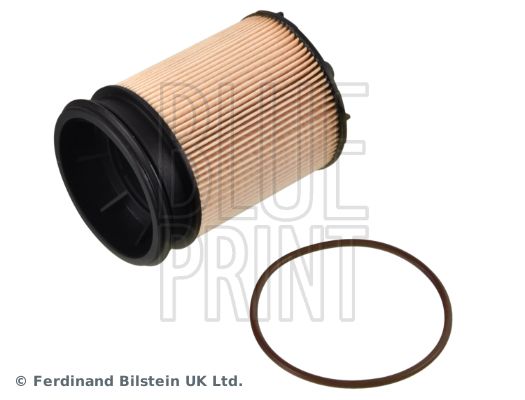
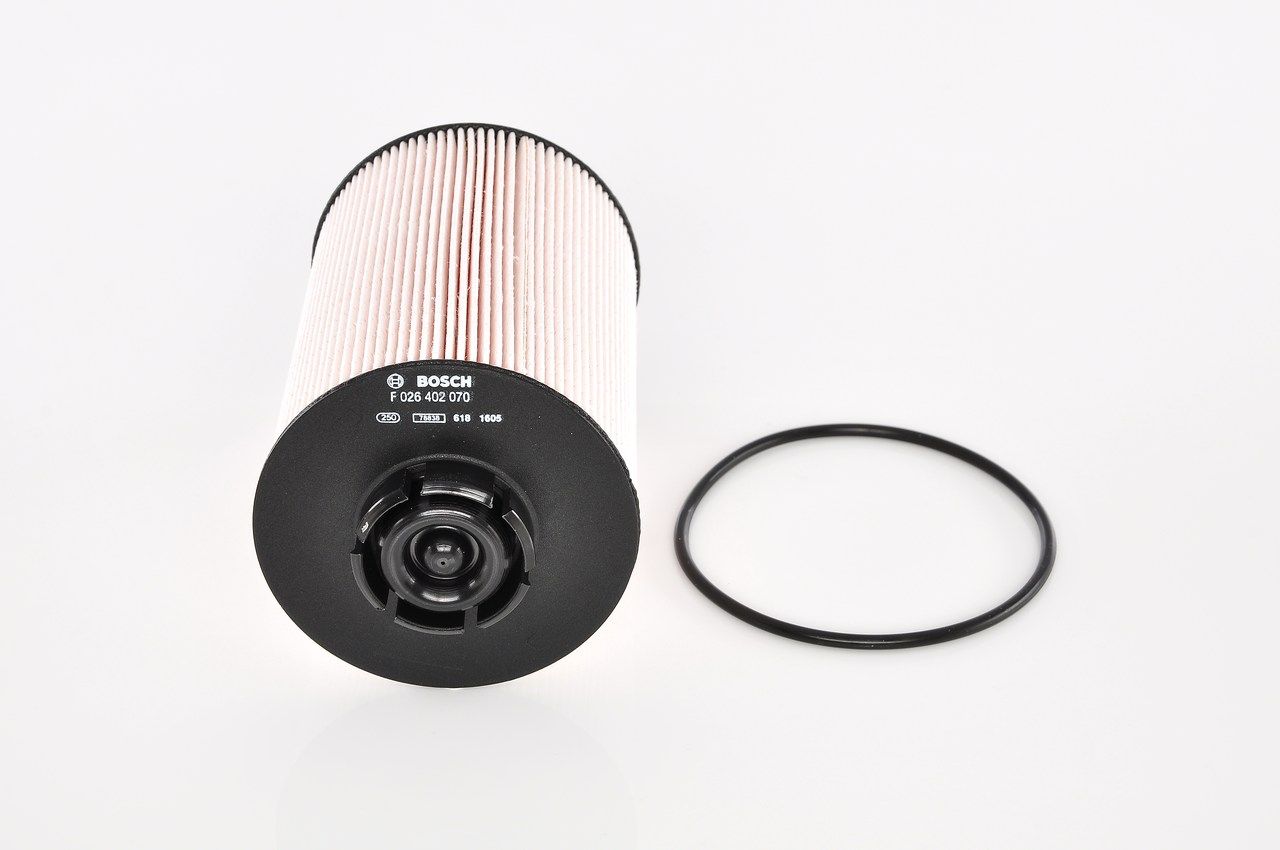
Fuel Filter Problems

A dirty fuel filter disrupts pressure and proper fuel supply to the engine, causing combustion process malfunctions and excessive smoke.

How to check:Remember when you last changed the filter. If it's been more than 15-20 thousand kilometres, consider installing a new one.
4

Turbocharger Wear

If the turbocharger is worn out or leaking oil, air enters the system intermittently, causing thick black smoke to appear.

How to check:Check the pipes from the turbocharger to the engine - there should be no oil leaks on them.
5

Clogged Diesel Particulate Filter or Catalytic Converter

When exhaust gases cannot freely exit through clogged eco-filters, the engine starts to suffocate on its own exhaust.

How to check:Ask the service to check the exhaust gas pressure before and after the catalytic converter or diesel particulate filter.

Parts most often replaced for this symptom

Frequently asked questions

Can I drive my car if it's emitting black smoke from the exhaust?
The car can withstand a short trip to the nearest service station, but driving like this every day is not possible. High soot content will quickly clog expensive exhaust system components and ruin the budget for repairs.
How much does it cost to fix black smoke?
The cost depends solely on the cause: replacing the air or fuel filter is inexpensive, but repairing injectors or replacing the turbocharger will require significantly more expenses.
Can black smoke disappear on its own?
No, this problem does not disappear on its own. If the cause is a temporary clog of the air filter on a bad road, then after replacement, everything will return to normal, but worn-out parts will not restore themselves.
How does black smoke differ from white or blue smoke?
Black smoke is unburned fuel due to a lack of air. White smoke is often ordinary vapour when warming up or a sign of coolant entering, and blue smoke indicates that engine oil is entering the cylinders.

This material is for reference only and does not replace a hands-on inspection. The final verdict on the fault and on whether the car is safe to drive is made by a mechanic after diagnosing the vehicle.