The steering has become heavy

When the steering suddenly becomes heavy and has to be turned with noticeable effort, it seriously complicates vehicle control. This symptom usually indicates problems in the power steering system, making maneuvering dangerous.

Likely causes — most common first

1

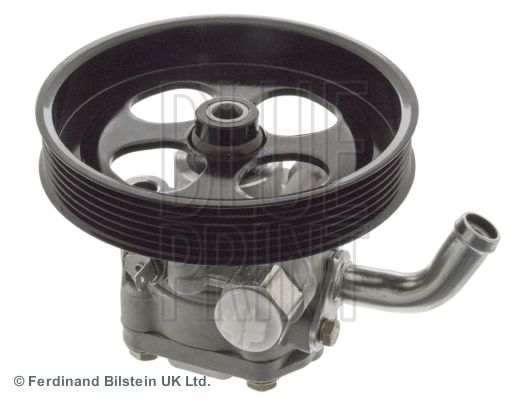
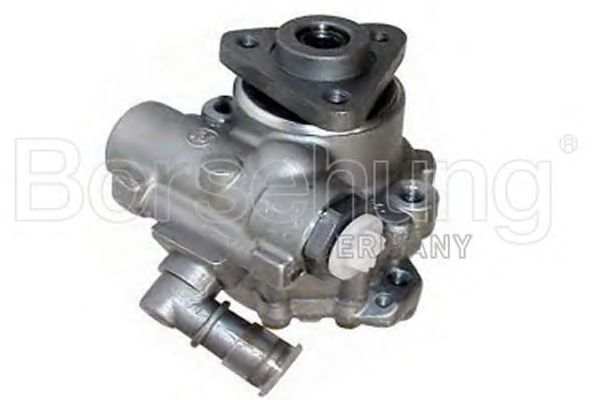
Wear or failure of the power steering pump

The pump creates pressure of a special fluid that helps turn the wheels. Over time, its internal parts wear out, the pressure drops, and the steering becomes heavy, especially at idle.

How to check:Open the hood and listen for any humming or whistling when turning the steering. Look into the power steering fluid reservoir: the presence of metal shavings or dirt confirms a problem with the pump.
2

Weak tension or break of the generator belt

In many cars, the power steering pump is driven by a belt from the engine. If the belt stretches, slips, or breaks, the pump stops working.

How to check:Visually inspect the belt under the hood for cracks, oil stains, or sagging. If it's completely broken, the steering will be extremely heavy.
3

Low level or leakage of power steering fluid

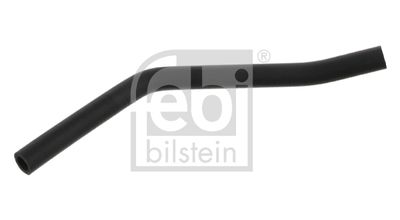
The power steering system operates on a special oil-based fluid. When the hoses are leaking or the seals are worn, the fluid leaks out, and the pump has nothing to pump.

How to check:Check the fluid level in the power steering fluid reservoir using the dipstick or the mark on the outside. Look for leaks under the hood and on the asphalt after parking.
4

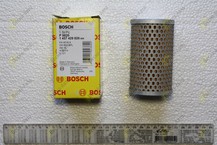
Clogged filter or aging of the fluid

Over the years, the working fluid loses its properties, and the built-in filter becomes clogged with dirt and wear products. As a result, the system's throughput decreases, and the fluid pressure reaches the steering with a delay.

How to check:Pay attention to the color of the fluid in the reservoir: it should be light, not dark brown or black. Find out from the service about the scheduled replacement of the fluid and filter.
5

Problems with the electric power steering (if equipped)

In modern cars, instead of hydraulics, there is an electric motor that helps turn the steering. When there are malfunctions in the onboard network, oxidation of contacts, or failure of the position sensor, the amplifier simply turns off.
How to check:Pay attention to the dashboard: is the steering wheel or battery icon not lit? Try restarting the engine - sometimes this temporarily removes electrical glitches.

Parts most often replaced for this symptom

Frequently asked questions

Is it possible to drive with a heavy steering?
Technically, the car remains manageable, but the effort to turn the wheels is enormous. In an emergency, you may not have time to perform a maneuver, so it's better to avoid driving or drive very carefully.
How much does power steering repair cost?
The price depends on the exact cause: tightening or replacing the belt is inexpensive, as is topping up the fluid. But replacing the pump or repairing the steering rack requires significantly more costs for parts and labor.
Can the steering become heavy due to frost?
Yes, in severe frost, the old working fluid in the power steering system thickens. After warming up the engine and making a few turns of the steering, the stiffness usually disappears, which is a reason to replace the fluid.
Can I just top up with regular oil if the fluid has leaked?
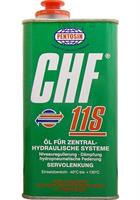
It is strictly forbidden to fill in engine or transmission oil not according to the regulations. A special fluid (often marked ATF or CHF) is poured into the power steering system, otherwise, the seals and rubber hoses will quickly deteriorate.

This material is for reference only and does not replace a hands-on inspection. The final verdict on the fault and on whether the car is safe to drive is made by a mechanic after diagnosing the vehicle.