Knock in the suspension on bumps

A knock in the suspension when driving over bumps and potholes is one of the most common symptoms that drivers encounter. Ignoring this sound can lead to more serious damage to the suspension and worsen the car's handling.

Likely causes — most common first

1

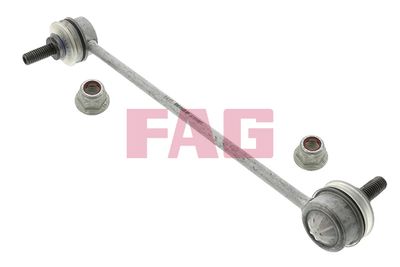
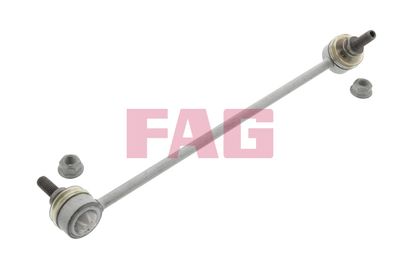
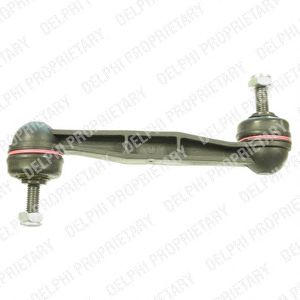
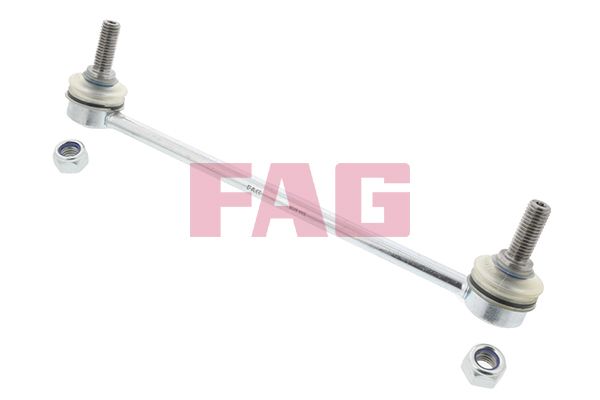
Wear of the stabilizer bar links

This is the most common cause of a dull knock or rattling at low speed and when driving over speed bumps. The bushings of the part wear out and start to play, transferring shocks to the body.

How to check:Raise the car on a jack, remove the wheel, and try to shake the stabilizer bar link by hand. If there is even the slightest play or crunch, it's time to replace it.
2

Damage to the silent blocks of the control arms

Silent blocks (rubber-metal bushings) dampen vibrations and soften the movements of the suspension. When the rubber cracks or breaks, the metal starts to hit the metal, creating a sharp knock.

How to check:Look under the car with a flashlight: there should be no deep cracks, tears, or oil leaks on the rubber parts.
3

Wear of the ball joints

The ball joint connects the control arm to the steering knuckle. When it wears out, it develops play, which causes a metallic knock when driving over bumps.

How to check:Ask an assistant to sharply rock the raised wheel in the vertical plane, and you put your hand on the ball joint - a noticeable impact will indicate a malfunction.
4

Problem with the shock absorbers or bearing

When the shock absorber loses its working fluid or its bearing fails, the suspension loses its ability to dampen vibrations. This is accompanied by a dull knock and body roll.

How to check:Press down hard on the car's body above the wheel and release it sharply. The car should return to its original position and stop, rather than continuing to rock like a boat on waves.
5

Wear of the tie rod ends

Play in the steering joint is also transmitted to the suspension and responds with a knock not only on bumps but also when quickly turning the steering wheel in place.

How to check:Turn the steering wheel left and right on a stationary car: if there is play in the steering wheel or characteristic knocks, it's worth checking the tie rod ends on a lift.

Parts most often replaced for this symptom

Frequently asked questions

Can I continue driving if there is a knock in the suspension?
If the knock is not accompanied by significant deterioration in handling or metallic grinding, you can drive to your home or to the service station at a low speed. However, avoid sharp maneuvers and potholes on the road, as the car's handling is already impaired.
How much does it cost to replace suspension parts?
The price depends on the car brand, the manufacturer of the chosen spare part, and the complexity of the work at the service station. The part itself and the master's services can vary significantly, so only the master can name the exact cost after inspection on the lift.
Can the knock in the suspension disappear on its own?
No, suspension parts are made of metal and rubber, which only wear out over time. If a knock appears, it means that mechanical play has occurred in the assembly, which will not recover on its own.
How can I accurately determine what is causing the knock?
It's very difficult to determine this by eye or by sound, as vibrations are transmitted throughout the body. An accurate diagnosis can only be made during an inspection on a lift or a special vibration stand at the service station.

This material is for reference only and does not replace a hands-on inspection. The final verdict on the fault and on whether the car is safe to drive is made by a mechanic after diagnosing the vehicle.