Play in the steering wheel

Free play or play in the steering wheel is when the wheels don't respond immediately to steering wheel movements. This is a common fault that directly affects driving safety and vehicle handling.

Likely causes — most common first

1

Wear of the tie rod ends

The tie rod ends have joints that break down over time due to loads and poor roads. This creates play so steering movement isn't transmitted to the wheels straight away.

How to check:Rock the front wheel by hand in a horizontal plane or ask a mechanic on a lift to check the joints for play.
2

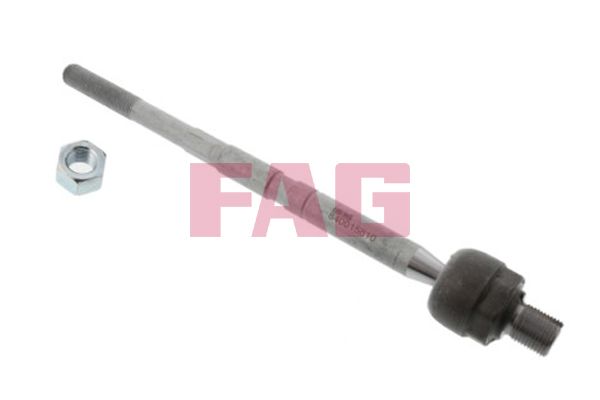
Wear of the tie rods

The internal joints of the tie rods wear out just like the tie rod ends, creating free play in the system. This is often accompanied by knocking when driving over bumps.

How to check:On a lift, grab the tie rod itself and move it to feel the internal knock and free play where it connects to the rack.
3

Play in the steering rack

The gear teeth or thrust washers inside the steering rack (the mechanism that converts steering wheel movement into wheel movement) wear out. This causes a noticeable delay and a dull knock.

How to check:Turn the steering wheel left and right in place: if there's a noticeable drop before resistance begins and a knock inside the mechanism, have the rack checked at a garage.
4

Wear of the steering column universal joint

There are small joints (universal joints) in the steering column that transmit force from the wheel to the rack. When the crosses wear out, they develop their own free play.

How to check:Look under the bonnet at the steering rack and ask someone to gently rock the wheel back and forth: any play in the joints will be visible.
5

Play in the steering box (on older cars)

Some older cars have a steering box instead of a rack, where clearances between the gears increase over time. This is fixed by adjustment or replacing parts.

How to check:Check for an adjustment screw on the box or consult a mechanic to assess the internal clearances.

Parts most often replaced for this symptom

Frequently asked questions

Is it safe to drive with play in the steering?
Driving long distances or getting on a motorway is extremely dangerous because the car's handling is compromised. With every kilometre the play in the joints can increase until the steering seizes completely or loses connection with the wheels.
How much does steering repair cost?
The price depends on what's broken - replacing a tie rod end is cheap, while repairing or replacing the steering rack costs more. The make of the car and the mandatory wheel alignment after repair also affect the total cost.
Can the play in the steering go away on its own?
No, mechanical damage and wear in the steering system only gets worse over time. Metal and plastic parts keep wearing down, increasing the free play.
Do I need a wheel alignment after steering repair?
Yes, any work on the tie rods, tie rod ends or rack changes the position of the wheels. After replacing these parts, the wheel angles must be adjusted.

This material is for reference only and does not replace a hands-on inspection. The final verdict on the fault and on whether the car is safe to drive is made by a mechanic after diagnosing the vehicle.