Increased Fuel Consumption

An increase in fuel consumption is a common symptom that drivers face when their car suddenly starts using much more fuel than usual. Ignoring this sign is not worth it, as it not only hits your wallet but also signals hidden malfunctions that can lead to more serious engine repairs.

Likely causes — most common first

1

Dirty Air Filter

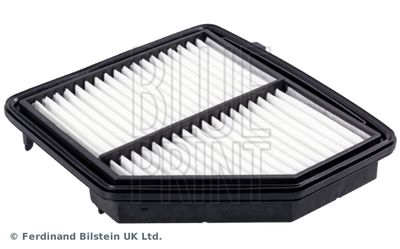
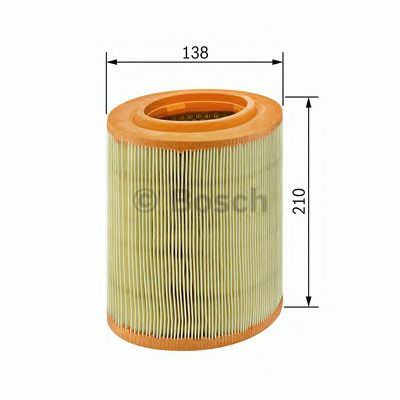
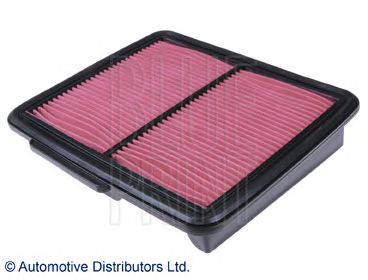
When the filter gets clogged with dust and dirt, the engine starts to suffocate and gets less air than it needs. As a result, the fuel-air mixture becomes too rich, which directly increases fuel consumption.

How to check:Open the hood and inspect the filter element in the special box yourself. If it's black and dirty, it's worth replacing it urgently.
2

Worn Spark Plugs

Old or damaged spark plugs give a weak spark, which means the fuel in the cylinders does not burn completely. The electronics try to compensate for this by supplying more fuel, but the power drops, and consumption increases.

How to check:Ask the master at the service station to unscrew the spark plugs and check the condition of their electrodes and the presence of carbon deposits.
3

Oxygen Sensor Failure (Lambda Probe)

This sensor controls the amount of oxygen in the exhaust gases and helps the car's computer prepare the correct mixture. When the sensor fails, it transmits false data, and the engine constantly runs in a rich fuel mode.

How to check:Connect the computer diagnostics at the service station to check for errors in the catalyst and lambda probe operation.
4

Tire Pressure or Wheel Alignment Problems

Low tire pressure creates additional rolling resistance, forcing the engine to expend more effort to accelerate the car. Incorrect wheel alignment angles have a similar braking effect while driving.

How to check:Check the pressure in all four tires with a pressure gauge and compare it with the recommended values on the driver's door pillar.
5

Brake System Wear (Stuck Calipers)

If the brake pads do not fully retract from the disc, the wheel constantly brakes slightly. The engine has to overcome this resistance, which sharply increases fuel consumption.
How to check:After driving, carefully touch the wheel discs - if one of them is hot, it means the caliper is stuck and needs repair.

Parts most often replaced for this symptom

Frequently asked questions

Can I drive a car with increased fuel consumption?
Yes, you can usually drive if there are no other alarming symptoms like smoke or strange noises. However, you will constantly overpay for fuel, and the problem will only worsen without intervention.
How much does it cost to fix increased fuel consumption?
It's impossible to name an exact amount, as it all depends on the cause. Everything can be limited to a simple replacement of the air filter at a minimal cost, or expensive repairs or replacement of sensors and spark plugs may be required.
Can the problem go away on its own?
No, worn-out parts, clogged filters, or faulty sensors do not recover on their own. Over time, the situation usually only gets worse, leading to even higher fuel consumption.
Where do I start checking the car myself?
Start with the simplest thing: check the tire pressure, inspect the air filter for dirt, and remember when you last changed the spark plugs. If this doesn't help, it's worth going for computer diagnostics.

This material is for reference only and does not replace a hands-on inspection. The final verdict on the fault and on whether the car is safe to drive is made by a mechanic after diagnosing the vehicle.