Knocking in the Engine When Accelerating

Knocking in the engine when accelerating is a worrying symptom that indicates problems with the engine mounting or internal components. Ignoring this sign can lead to serious damage and an emergency situation on the road.

Likely causes — most common first

1

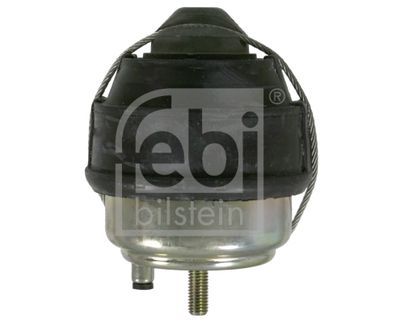
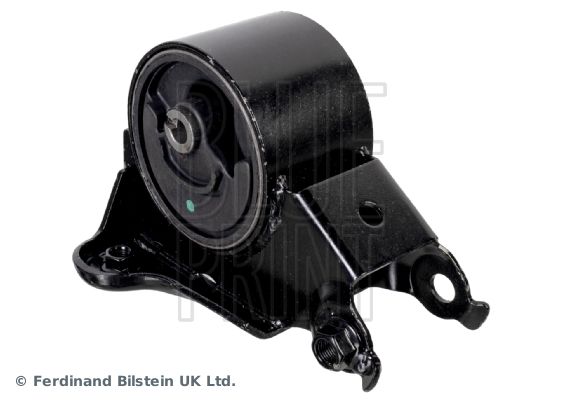
Wear of Engine Mounts

The rubber or hydraulic elements that hold the engine in place deteriorate over time. When accelerating sharply, the engine tilts and hits the body or other parts due to weakened mounts.

How to check:Open the bonnet and ask an assistant to smoothly press and release the accelerator pedal while the car is stationary (with the handbrake on). If the engine sways too much or you hear a knock, the mount is faulty.
2

Fuel Detonation in Cylinders

Fuel ignites too quickly and unevenly due to low-quality petrol or ignition problems. This creates shockwaves inside the engine, which sound like a metallic knock or clang under load.

How to check:Remember where you last filled up. Try changing the petrol station and filling up with higher-octane fuel. If the knock disappears, the issue was with the fuel quality.
3

Wear of the CV Joint

The constant velocity joint transmits power from the gearbox to the wheels. When the inner or outer CV joint wears out, a characteristic crunch or metallic knock occurs during acceleration.

How to check:Turn the steering wheel to one side and start moving in a circle, then do the same in the other direction. The appearance of a crunch or knock indicates a problem with the CV joint.
4

Problems with Connecting Rod Bearings

Due to oil starvation or high mileage, the bearings of the crankshaft wear out. This is the most dangerous cause, when engine parts knock against each other under load.
How to check:Pay attention to the oil pressure gauge on the dashboard and unusual noises on a hot engine. It's impossible to check yourself, and urgent diagnostics with a master are required, including removing the engine sump.

Parts most often replaced for this symptom

Frequently asked questions

Is it possible to drive with a knocking engine?
It is not recommended to continue driving, especially if the knock is loud and metallic. This can lead to engine seizure or breakage of parts, after which a major overhaul will be required.
How much does the repair cost when there's a knock during acceleration?
The price depends on the exact cause of the fault. Replacing the engine mount or CV joint is relatively inexpensive, while repairing internal engine parts or the crankshaft requires significant costs for labour and parts.
Can the knock disappear on its own?
No, mechanical damage to parts or wear of rubber elements only progresses over time. The knocking part will eventually break down under load.
How to distinguish a knock in the engine from a knock in the suspension?
A knock in the engine usually depends on engine speed or accelerator pedal pressure, even when the car is stationary. A knock in the suspension or drivetrain appears only when driving or turning the steering wheel.

This material is for reference only and does not replace a hands-on inspection. The final verdict on the fault and on whether the car is safe to drive is made by a mechanic after diagnosing the vehicle.